Propane Safety Tips
Essential safety practices for residential and commercial propane customers.
Key Safety Points
Proper Storage
Always store tanks upright in a ventilated outdoor area away from heat sources.
Leak Detection
Know the smell — propane has an added odorant. If detected, evacuate and call 911.
Safe Lighting
Follow appliance manufacturer instructions when lighting pilots or burners.
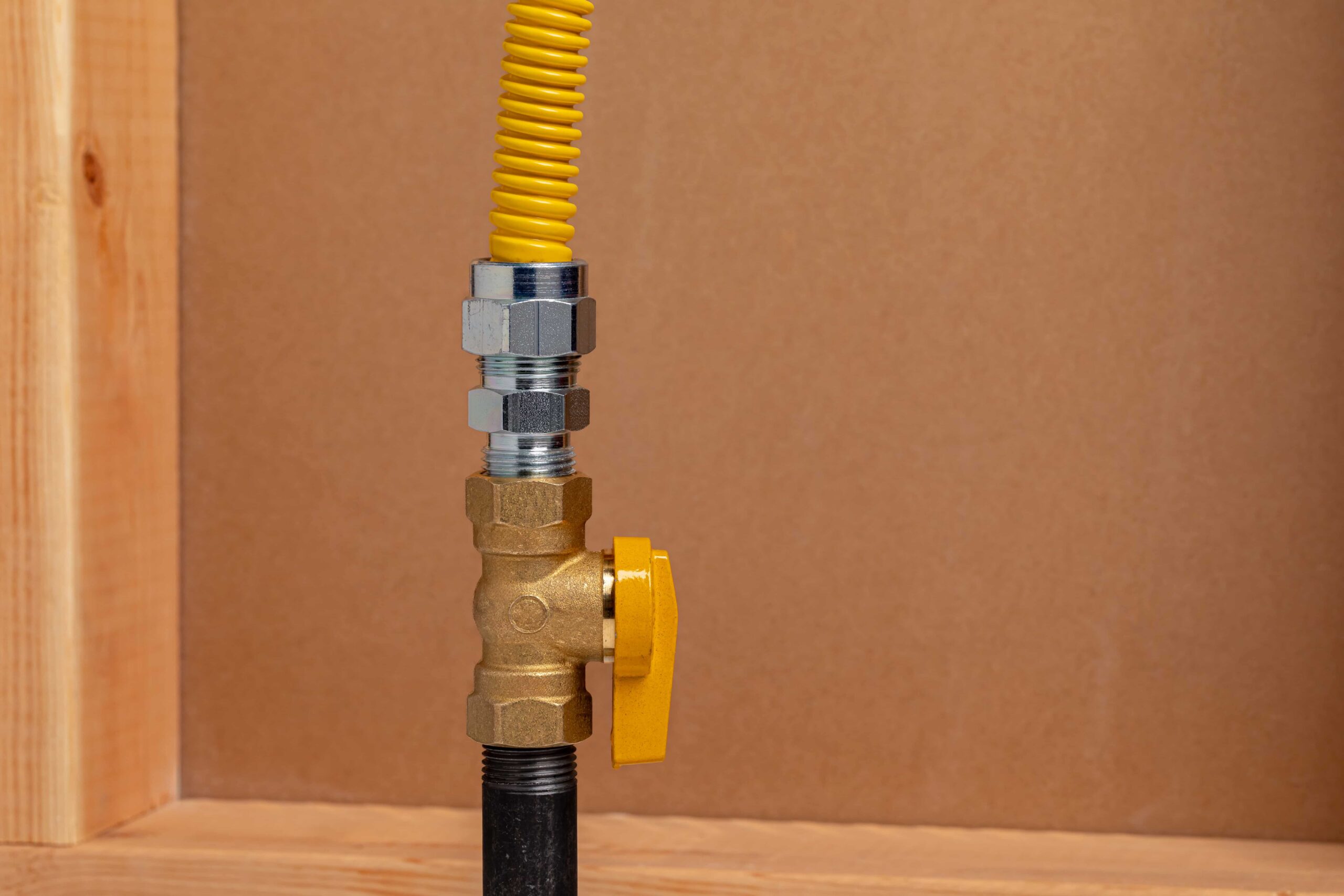
Emergency Shutoff
Know where your main shutoff valve is and how to operate it safely.
Safety Information and Gas Appliance System (G.A.S.) Check
If you smell gas (an odor similar to rotten eggs or sulphur) or if you think you may have a gas leak EXIT THE PREMISES IMMEDIATELY and contact (765) 324-2828 or 911 for emergency assistance from a telephone outside the home. Stay away from the property until a trained professional gives you an all-clear. Gas leaks can be a life-or-death situation and must be taken very seriously.
If you suspect a gas leak
- Contact us at (765) 324-2828 or 911 for emergency assistance.
- Put out any open flames and ignition sources. DO NOT USE ANY APPLIANCES.
- Everyone must exit the house right away.
- Shut off the gas to the house at your main supply valve on your propane tank(s).
- Stay away until a trained professional gives you the all-clear.
- Have your propane system inspected for the cause of the leak.
Propane tank storage
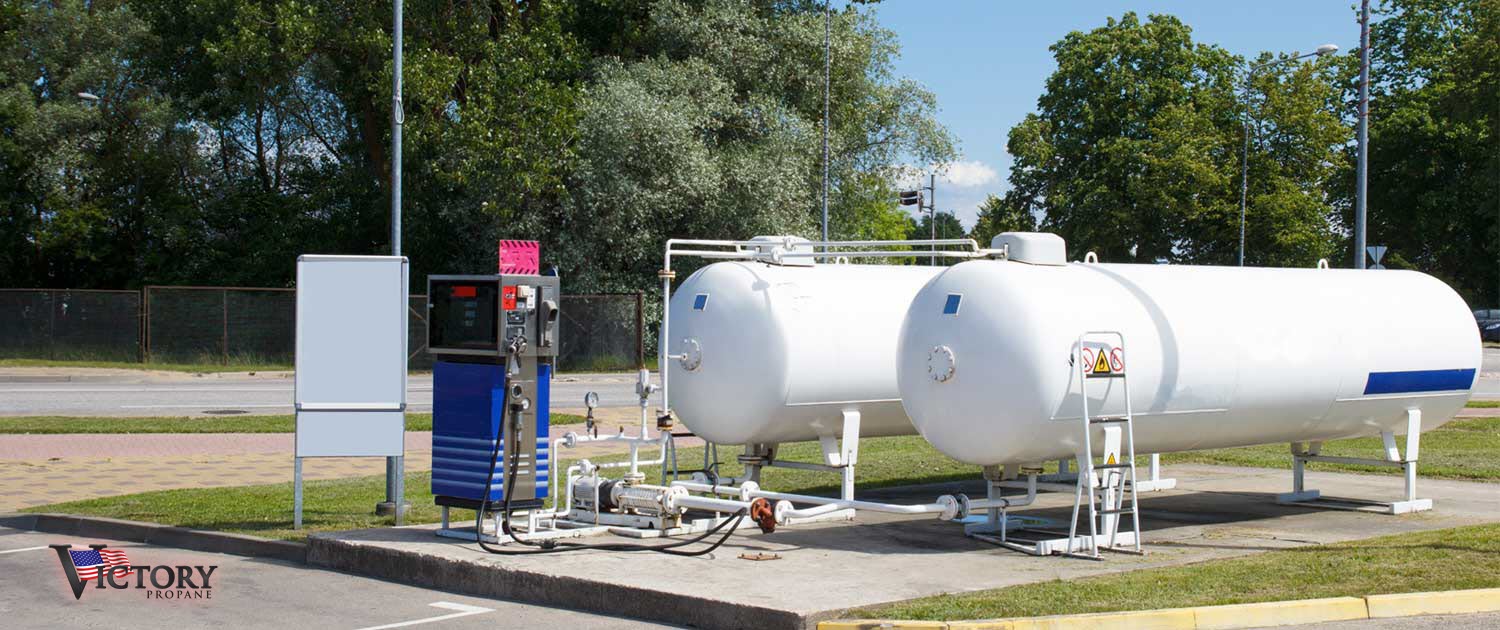
Storing propane tanks outdoors is safe, but it’s best to choose a spot that is away from living areas. Make sure that the gas valve is in the OFF position when storing your tank and
- NEVER store your propane tank inside your home or vehicle.
- ALWAYS store the tanks in an upright position on stable surfaces.
Propane is not affected by freezing temperatures. In very hot weather, propane tanks can still be stored outdoors on a stable surface. Store tanks in locations not in direct sunlight for extended periods of time. Do not expose the tank to temperatures at or above 120°F (49°C).
- NEVER STORE YOUR TANK ON ITS SIDE OR UPSIDE DOWN
- Always ensure that the gas valve is in the OFF position when storing your tank
- Never store your propane tank inside your home or vehicle
How to shut off your propane tank VIEW VIDEO
Pilot light
Re-lighting your pilot light can be dangerous. Follow the manufacturer’s instructions and warnings concerning the appliance. Contact a trained professional or our customer service team for further guidance.
More Safety Tips
Safety Tips for Homeowners
Links to safety literatureFor any new installation, or any interruption in service, we will perform a G.A.S. Check. This program is a safety check that follows guidelines designed for your residential gas system needs.
While performing this service, our experts at Sagamore Gas & Appliances will inspect all of your propane container(s), the regulator(s), appurtenances, gas supply lines, and any other propane equipment that is visible and accessible to our team.
After the inspection is complete, and your safety ensured, we will document the date of the inspection and discuss our findings with you.
- Container inspection
- System leak checking
- Regulator performance testing
- Customer awareness information
- Safety brochure
- Odorant testing
- Pressure testing
- Appliance venting inspection
- Inventory of gas system components
- Inventory of gas burning appliances
Propane Safety Information PDF DOWNLOAD
Propane Safety Information (Spanish) PDF DOWNLOAD
Safety Data Sheet (SDS) PDF DOWNLOAD
Safety Data Sheet Spanish (SDS) PDF DOWNLOAD
Duty to warn materials Safety tips
- Schedule quarterly system inspections
- Maintain a propane safety log on site
- Train all employees on emergency shutoff location
- Display emergency contact numbers at each appliance
In extreme heat and resulting dry conditions make sure the 10-foot radius around your propane tank and your propane grill is clear of any dry materials that could ignite.
In a flood or stormy conditions with very high winds, propane tanks can shift damaging gas lines and the tanks themselves. A large propane tank can float away hitting objects its path. Water and debris can find their way inside regulators and controls, causing potential safety issues. If you question the safety of the current conditions, leave the area immediately, alert us, and have your property inspected by a trained professional before re-entering.
On a regular basis
Keep chimneys, flues, and vents are free of debris, including leaves, animal nests, snow and ice, and other obstructions.
Follow the manufacturer’s instructions for the placement and use of vent-free appliances, including fireplaces and logs.
Make sure you have a UL-listed carbon monoxide detector on every level of your home.
Make sure your chimney flue damper (if equipped) is always open when you use your fireplace.
NEVER use a gas oven or stove burners for space heating.
NEVER use outdoor portable heaters inside, unless they are designed and approved for indoor use.
NEVER use a barbecue grill (propane or charcoal) indoors for cooking or heating.
NEVER operate a propane-fueled piece of equipment (lawn mower, generator, or snow blower) in enclosed areas, including your garage.
Call Before You Dig 811
- Do not smoke within 25 feet of fill station
- Turn off your vehicle engine during fill
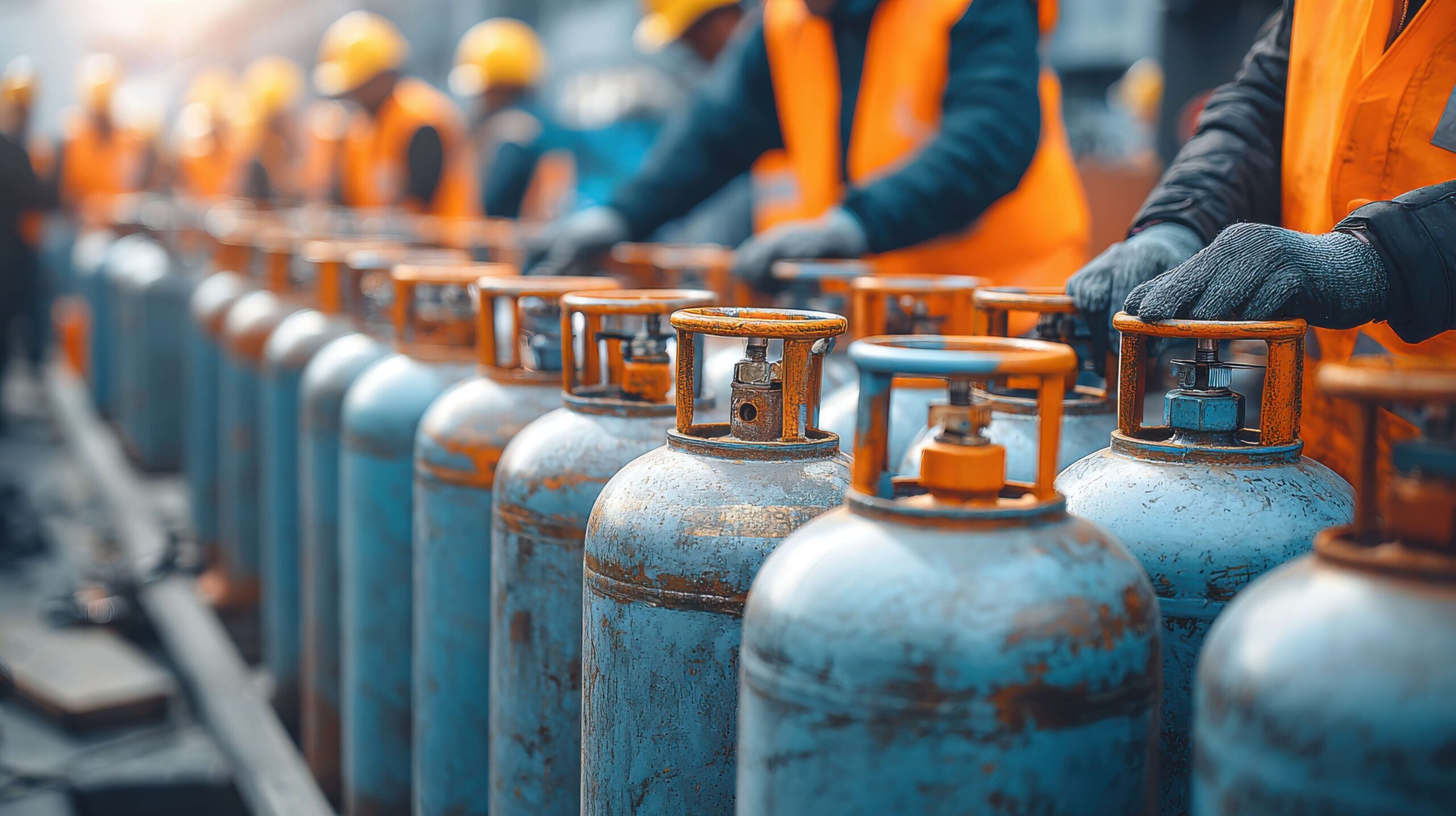
- Never fill a cylinder that is damaged or out of certification
- Keep cylinders upright during transport
FAQs
Common Questions
Propane is naturally odorless. An odorant called ethyl mercaptan — which smells like rotten eggs or a skunk — is added to help detect leaks. If you smell this odor, evacuate immediately and call 911 from outside your home.
We recommend a professional inspection at least once per year for residential systems, and more frequently for commercial operations. Inspections cover all connections, regulators, hoses, and appliances.
If your tank runs out, do not attempt to relight appliances yourself. Call us to schedule a delivery and re-lighting service. Running out of gas can allow air and moisture into the system, which requires a pressure test before relighting.
No. Propane tanks should always be stored outdoors in an upright position. Never store tanks indoors, in garages, or in any enclosed space — even when tanks appear to be empty.
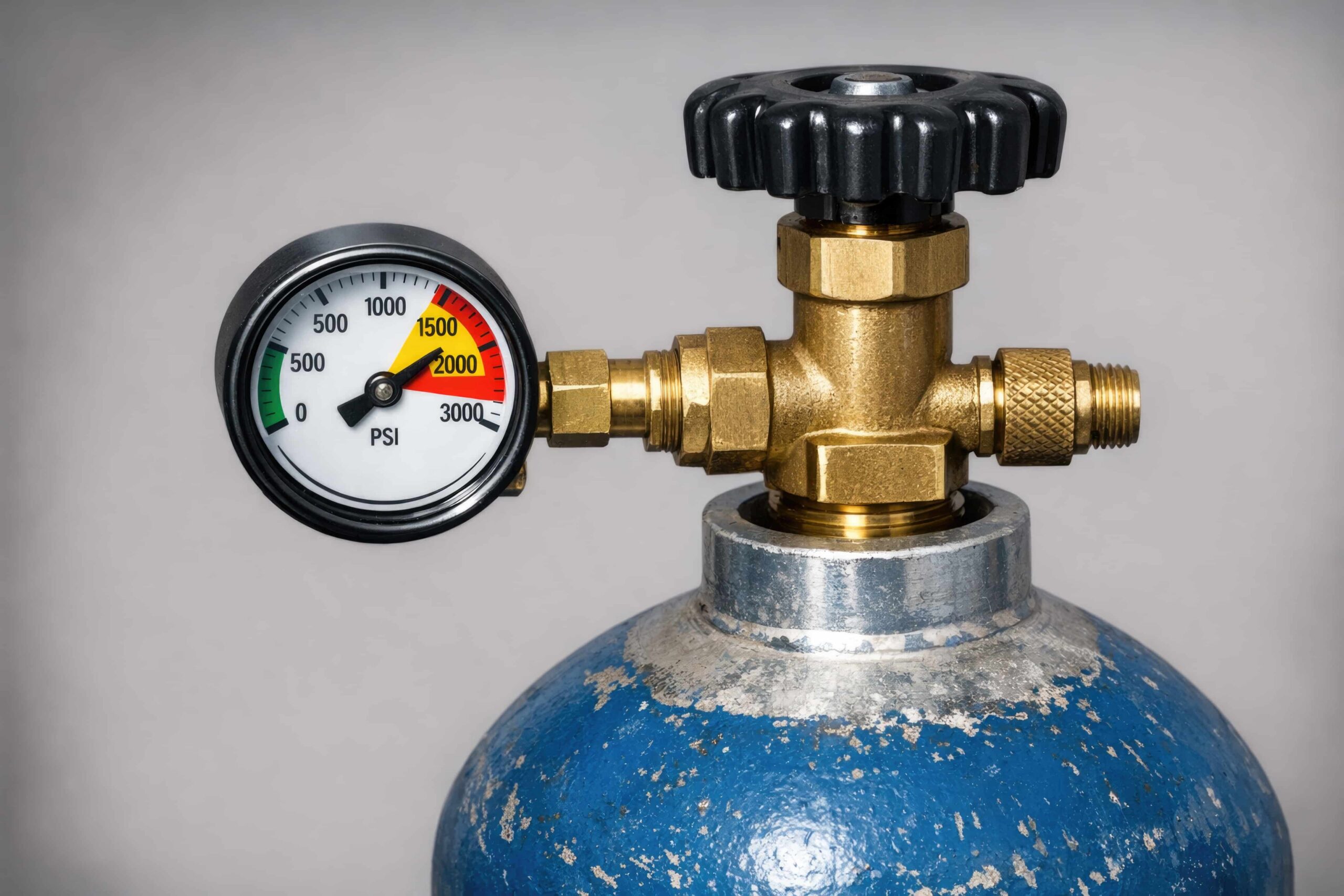
Most tank gauges show the percentage of propane remaining, not gallons. A reading of 20% or below means it’s time to schedule a delivery. We recommend calling when you reach 25% to ensure timely service.
GET IN TOUCH
Have a Safety Question? Reach Out.
Our team is happy to answer any propane safety questions.
Ready to Schedule a Safety Inspection?
Our certified technicians are available across all service areas. Most inspections completed same week.